Have you ever lost it?
A real story from the floor, told publicly by an industry icon: In conversation about “enlightened hospitality”, restaurateur Danny Meyer explains why leaders must pause before reacting so care shows up for employees first, then guests. In the heat of a dinner rush, a manager who felt provoked by a brusque complaint took one breath, named the feeling, chose a values-aligned response, and the shift recovered. It is a small, real moment of trigger awareness turning heat into trust, straight from Meyer’s interviews.(1)
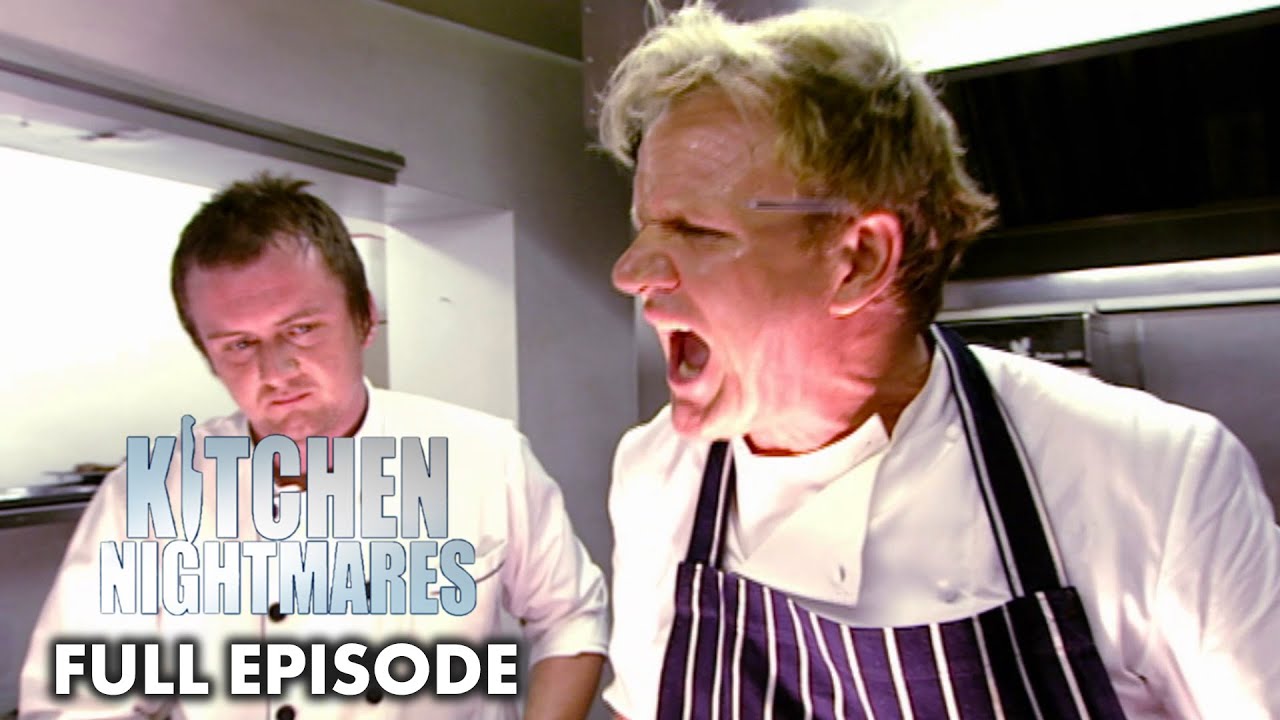
Compared to the Gordan Ramsay we see in the TV show Kitchen Nightmares!
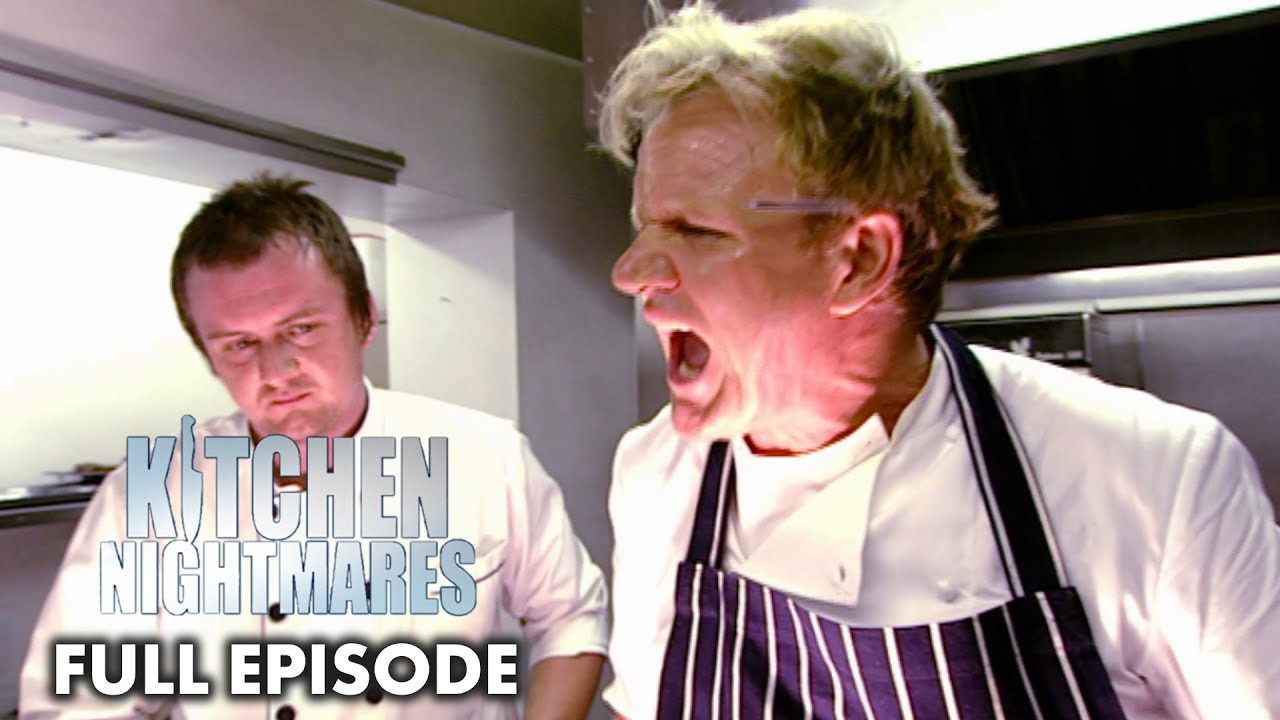
Image Source (2)
While part of me speculates there’s a lot of ‘theatre’ going on, it’s a TV show - reality TV show [insert smirk] - after all, Grodan’s character in these shows certainly provides us the anti-model for some leadership aspects. Especially how to not react, not get triggered, not explode!
Have you ever lost it, completely lost it? Do you recall ever pausing before your gasket blew? When I was in a senior leadership role, I lost it with a direct report once. Not my finest moment by any stretch. Once I gathered myself back up, I apologised as quickly and as earnestly as I could. Interestingly and very surprisingly, the person in addition to accepting my apology just as quickly said they thought they deserved it.
I disagree!
We explain our anger, we do not express it! We don’t explode it!
Emotional Intelligence is not a nice-to-have. Daniel Goleman’s long-standing research argues that IQ and technical skill are threshold capabilities, while emotional intelligence is an absolute necessity of leadership. (3)
Why triggers matter
When a trigger hits, your limbic system can hijack judgement. Fortunately, naming the feeling helps. A seminal fMRI study shows that affect labelling reduces amygdala activity and increases prefrontal control, giving you a window to choose a better response. (4)
Modern workplaces need that window. Incivility is costly and contagious. In survey work spanning thousands of employees, roughly half reported cutting effort or work quality after rudeness. (5) There is anecdotal evidence to suggest rudeness and incivility are increasing, particularly after the pandemic, fueled by social isolation, online anonymity, political polarisation, and technology's impact on attention, leading to less patience and more disregard for social norms in public and online spaces.
And there is a positive performance case. Emotional intelligence scales with outcomes. See Goleman’s synthesis and later organisational applications for how critical mass in EI correlates with business results.(3) Essentially, more emotional intelligence the better the business results.
The Trigger-to-Trust Ladder
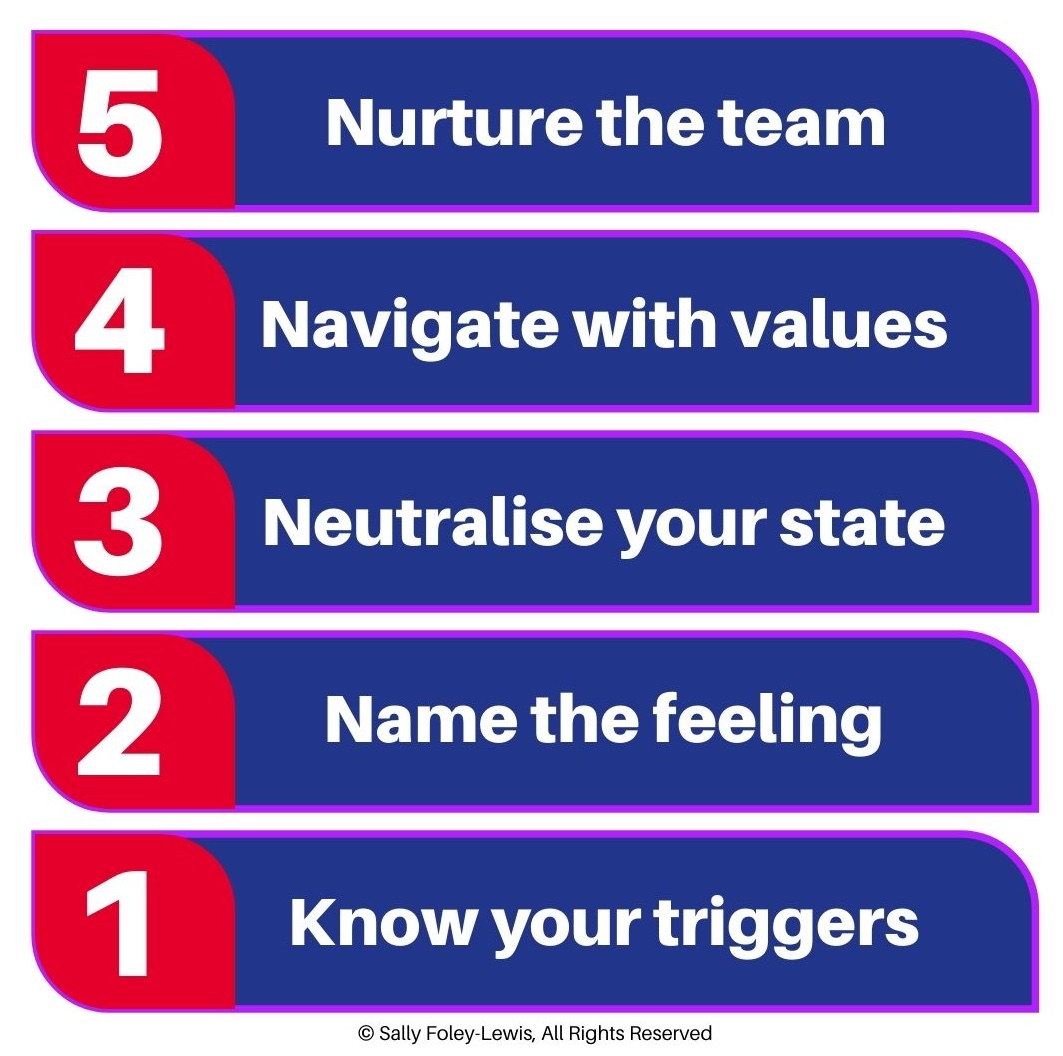
1.Know your triggers. Map patterns like status threat, unfairness, time pressure, ambiguity or public criticism. Add a quick HALT check: Hungry, Angry, Lonely, Tired. (6)
Name the feeling. One quiet label. “This is frustration.” The data on affect labelling shows why this works. (4)
3.Neutralise your state. A 60 to 90-second reset with extended exhales and posture release is a discreet intervention.
4.Navigate with values. Pre-write if-then plans for your hot triggers. Mental contrasting with implementation intentions down-regulates anger. (7)
5.Nurture the team. Close the loop with a micro after-action review and coach one person each week. This builds psychological safety, a foundation of high-performing teams. (8)
How this fits the Leadership Burger Framework
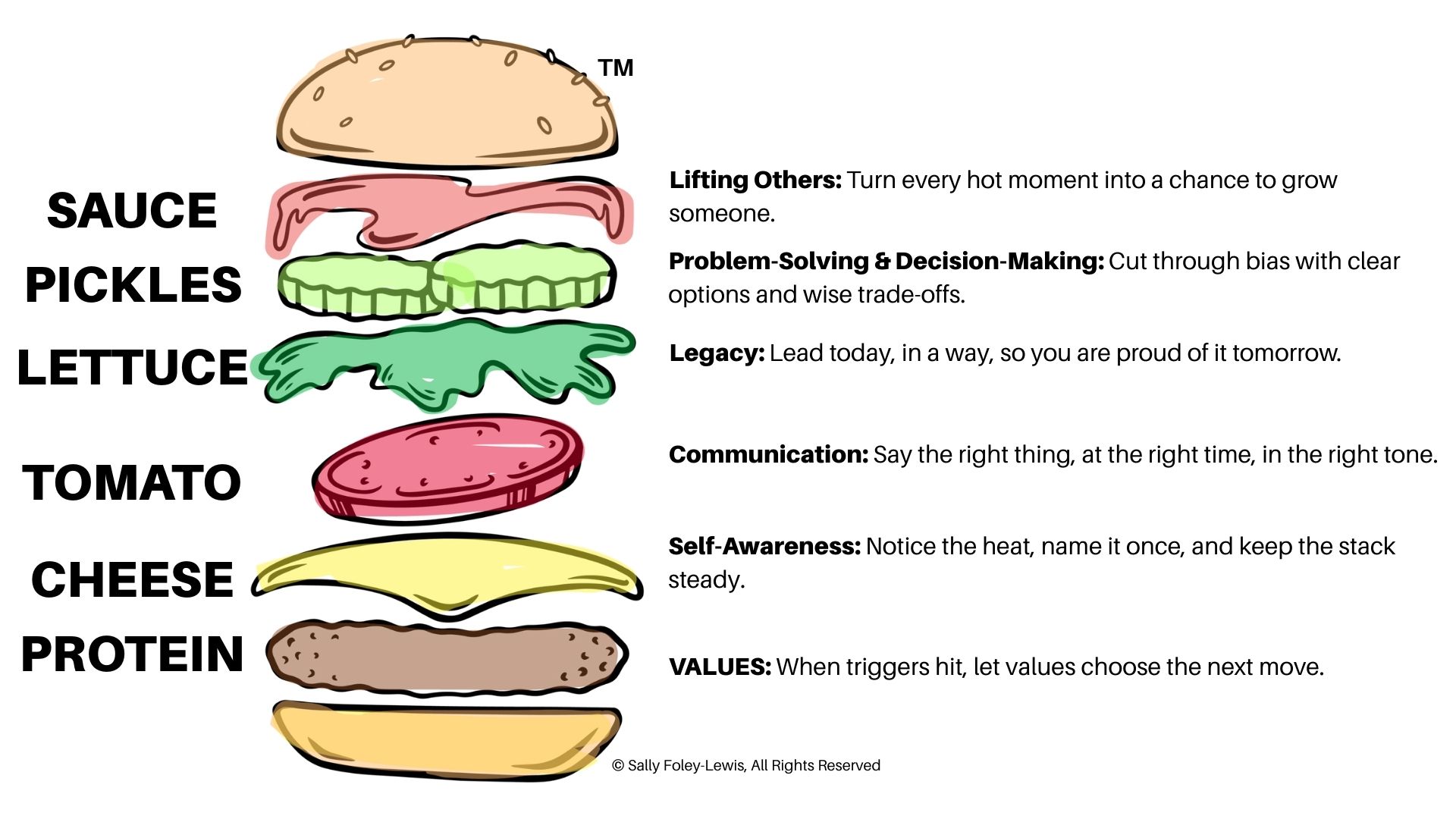
A little playfulness helps the model stick. Build your burger in order so it holds under pressure. When the heat rises, keep the temperature right so the Cheese binds the stack rather than sliding out the side.
Try this tomorrow
1.Ten-minute Trigger Map. Note down three situations that reliably light you up and the first body signal you notice: where do you feel it. I feel it in my jaw and in my neck.
2.Three if-then plans. For example, “If I receive surprise criticism in public, then I will pause, ask one clarifying question, and move to a private follow-up.”
3.Ninety-second reset. Pick one discreet technique you can use in meetings. For example: take a long deep breath; shift to standing; or shift from leaning on one leg to planting both feet evenly on the floor; if seated, put feet flat on ground, sit up straight.
Coach a catch. In your next stand-up, teach the Ladder and invite one trigger plus one plan. Praise good catches in real time.
The art here is not suppression of feelings. Anger, frustration, embarrassment, annoyance are valid feelings and you’re entitled to feel how you feel. It is awareness, pattern recognition, and values-aligned choice. In Meyer’s words and in your world, the split-second shift from trigger to trust preserves culture and performance. (1)
I’d love to know your thoughts, even better, share one of your favourite reset actions or if-then plans.
......
Source:
1. https://www.ted.com/pages/how-to-build-a-great-culture-transcript
2. https://www.youtube.com/watch?v=gvoyAQZsxHY
3. https://hbr.org/2004/01/what-makes-a-leader
4. https://sanlab.psych.ucla.edu/wp-content/uploads/sites/31/2015/05/Lieberman_AL-2007.pdf
5. https://hbr.org/2013/01/the-price-of-incivility
6. https://health.clevelandclinic.org/halt-hungry-angry-lonely-tired
7. https://www.frontiersin.org/journals/psychology/articles/10.3389/fpsyg.2018.01838/ful
8. https://amycedmondson.com/psychological-safety
